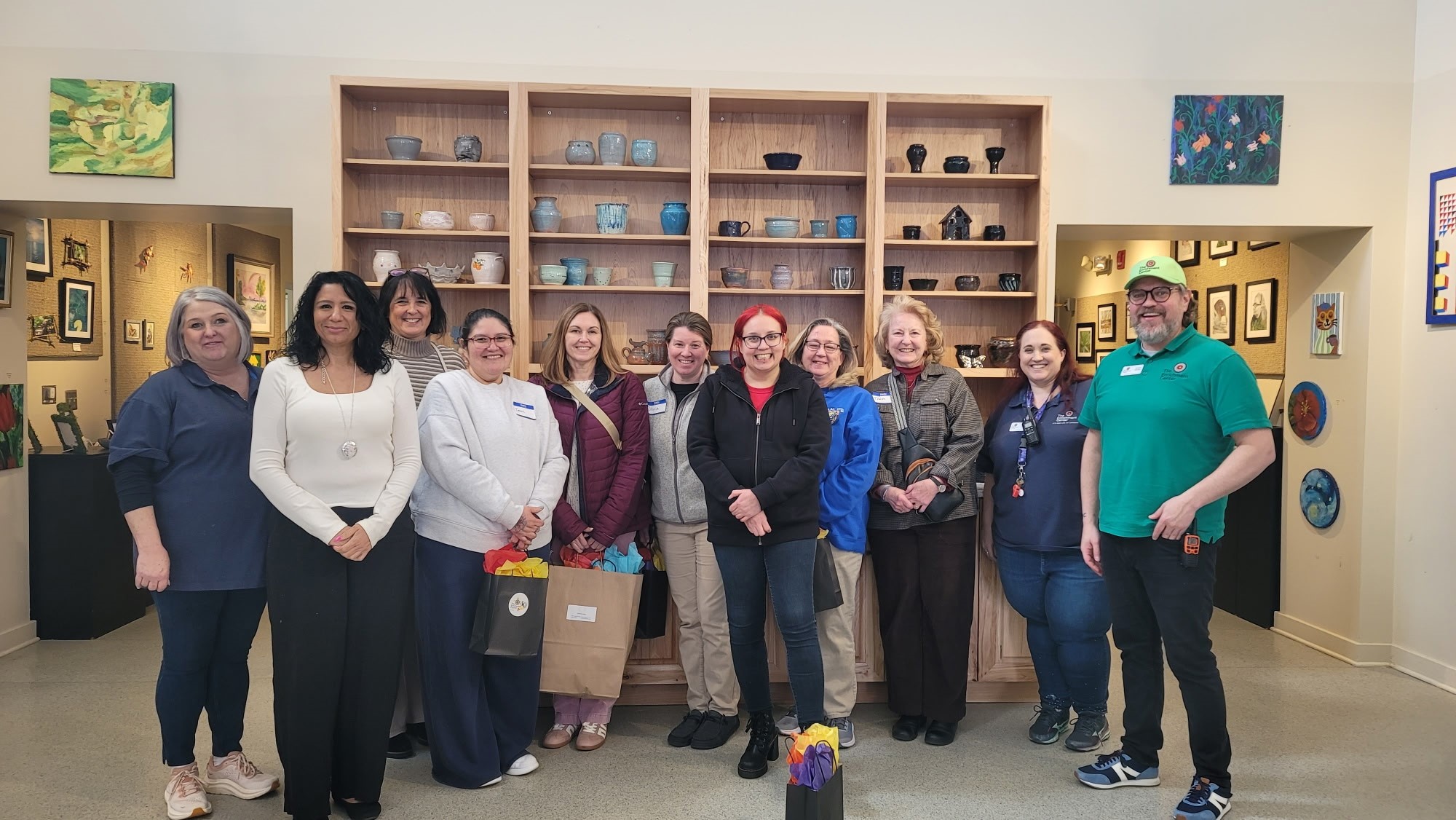
 As the Cherokee Indian Hospital Authority (CIHA) works with Tribal leadership to better understand where gaps exist in IDD/Autism services and how those gaps impact enrolled members and their families, Cansler Collaborative Resources (CCR), the consulting firm helping to guide the project, arranged for staff from Analenisgi and Tribal Option Care Management along with community members to travel to several intellectual and developmental disability (IDD) service providers across central and eastern North Carolina.
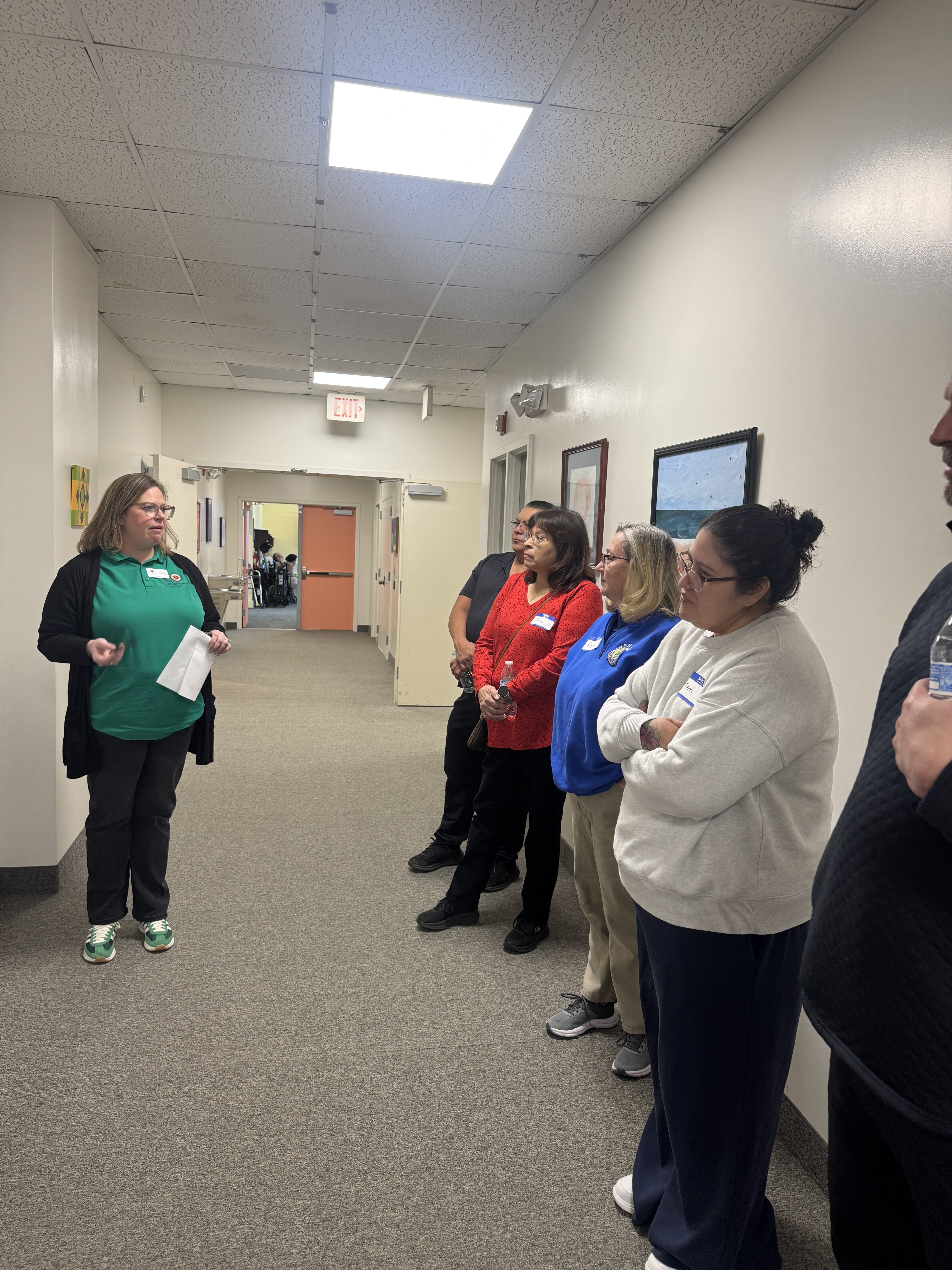 These site visits are part of CIHA’s ongoing work in partnership with the Tribe to enhance services for the IDD/Autism population. By seeing different service models firsthand, the group aims to gather real-world insight that will help guide future planning and program development for the Eastern Band of Cherokee Indians.
The group visited three organizations, each offering a different approach to supporting individuals with IDD.
Hope NC in Durham is a residential provider that offers supportive living services. Their model focuses on helping individuals live as independently as possible while still receiving the level of support they need to be safe, healthy, and connected.
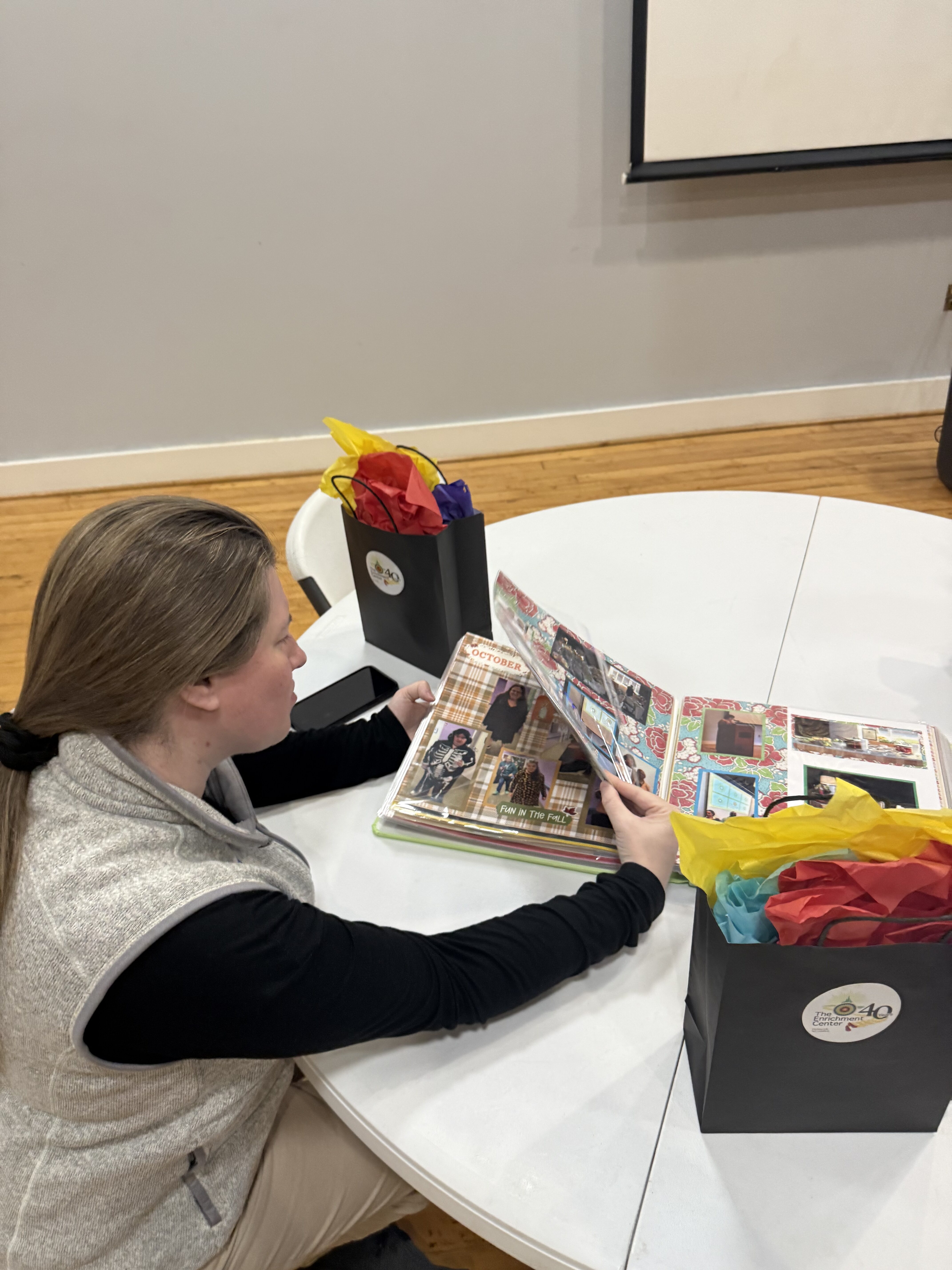
The Enrichment Center in Winston-Salem provides a day program centered on meaningful, arts-based activities. The program emphasizes creativity, routine, and community engagement, showing how day services can support quality of life, purpose, and social connection.
Horizons Residential Care Center in Rural Hall offers a residential continuum of care, providing varying levels of support depending on an individual’s needs. This model highlights how services can adapt over time as needs change, rather than relying on a one-size-fits-all approach.
“We are grateful for the organizations who allowed us to learn more about their programs, to ask questions and to observe their daily operations,” said Donica Conseen, Behavior Health Operations Manager at Analenisgi. “It helped us better understand what works well in different settings and to see what options are available for us to pursue to serve our community.”
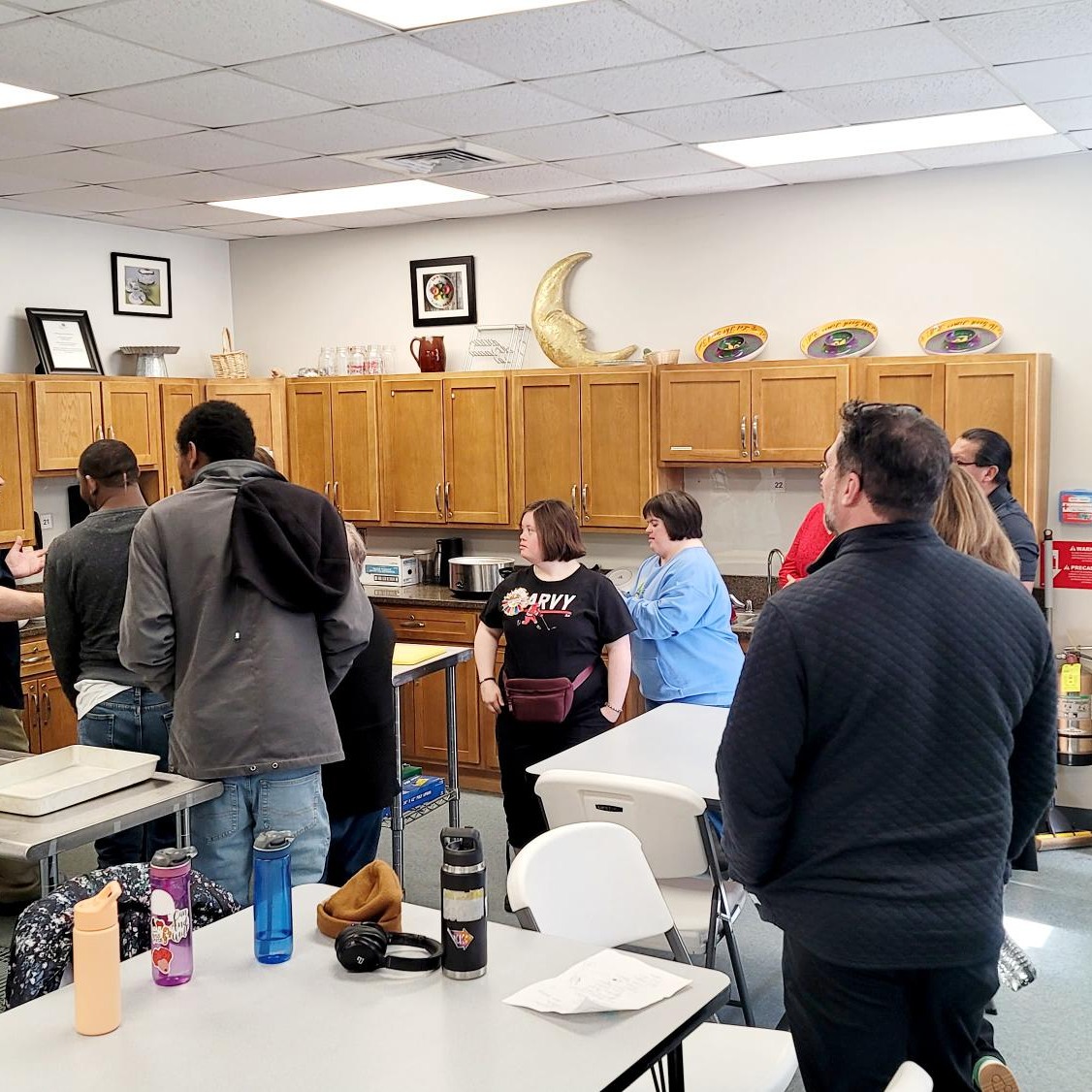 Addressing IDD service gaps requires collaboration, listening, and thoughtful planning. These site visits are one step in the process CIHA is collaborating with the Tribe on. By learning from providers across the state and having Tribal Option Care Managers, Analenisgi, and community members, working together, CIHA endeavors to build a clearer picture of how future IDD/Autism programming can be shaped to reflect the needs, values, and priorities required to best serve the next seven generations of the Eastern Band of Cherokee Indians.